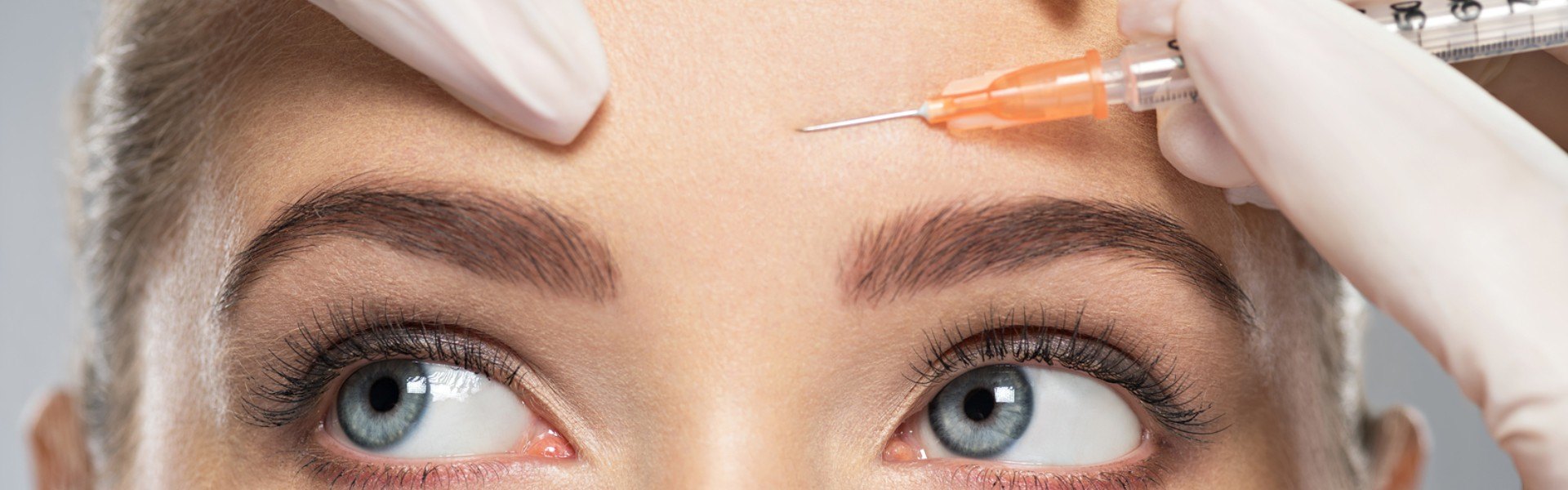
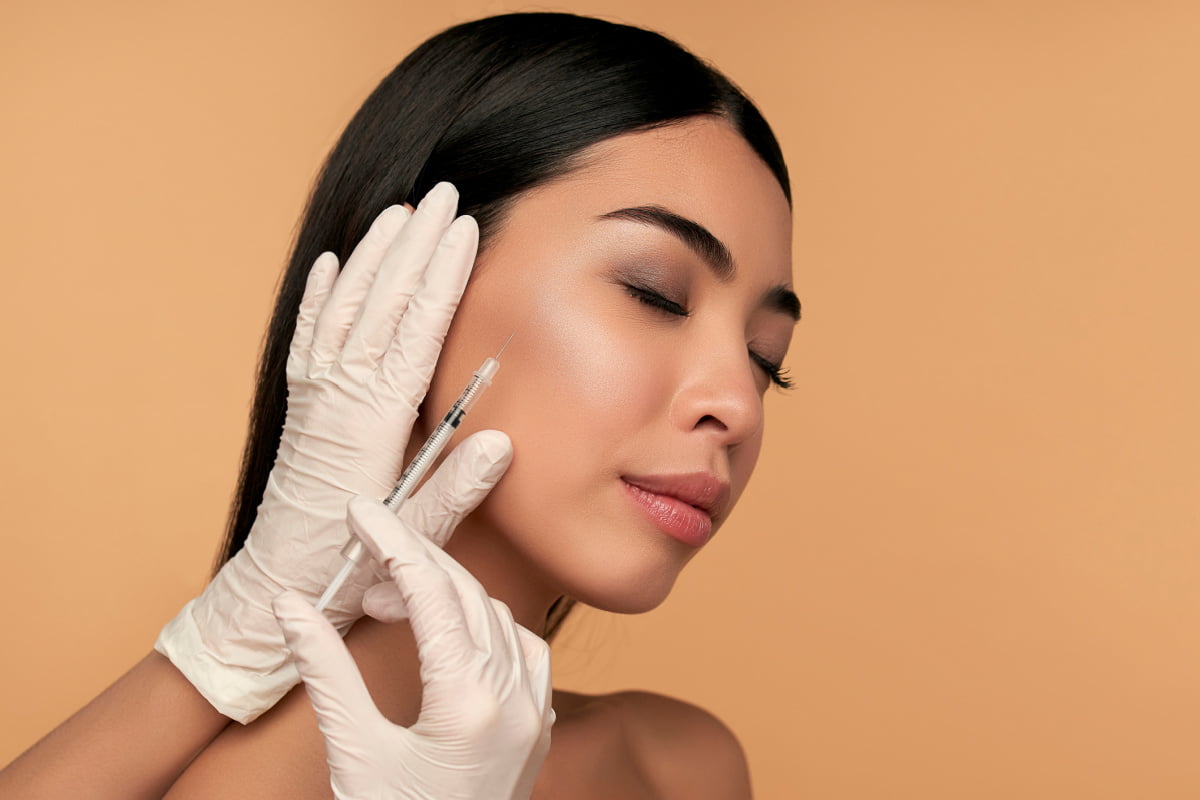
If you’ve ever found yourself midway through a 12-hour shift thinking, “I love nursing… but surely there’s a better way to use my skills (and maybe sleep again)” — welcome. More Australian nurses than ever are swapping shift work for syringes of botulinum toxin, flexible hours, and the creative, patient-focused world of cosmetic medicine.
Starting your own aesthetic clinic isn’t just a career move; it’s a lifestyle pivot. And like all good transformations, it needs a plan — not just a ring light and an Instagram account. This step-by-step guide walks you through the journey from hospital hustle to thriving cosmetic practice, tailored specifically for Australian registered nurses.
Take a breath. Grab a coffee. Let’s get you clinic-ready.
Context: Why So Many Nurses Are Making the Leap
Cosmetic nursing blends clinical skill with artistry and entrepreneurial freedom. But this field is tightly regulated for good reason: you’re dealing with prescription medications, medical risk, and real human faces. This means preparation matters — and that’s exactly what the next sections deliver.
Step 1: Acquire Specialized Aesthetic Training and Certifications
Build on Your Nursing Foundation
Before you even touch a cosmetic syringe, you need solid clinical grounding. Regulators expect at least 12 months of general nursing experience first — and honestly, you’ll be grateful for it. Those hospital days sharpen your assessment skills, boost your emergency instincts, and teach you how to stay calm when things get interesting (looking at you, anaphylaxis kits).
Cosmetic nursing isn’t considered an entry-level specialty; it’s an advanced extension of your existing scope. That foundation ensures you’re stepping into aesthetics with safety and confidence.
Formal Cosmetic Nurse Education
Cosmetic courses aren’t accredited by the nursing board, but reputable pathways exist. Many nurses begin with postgraduate qualifications like a Graduate Certificate or a Diploma in Cosmetic Nursing and Injectables. These programs cover anatomy, skin physiology, consultation skills, pharmacology, and ethical practice — essential for running a safe clinic, not just a beautiful one.
Hands-On Injectables Training
Injectables aren’t a “learn-in-a-weekend” sport. Short CPD courses are useful supplements, but becoming competent takes supervised practice, repetition, assessments, and time. Look for programs that combine theory, hands-on practice, and competency checks.
You should come out confident in:
- assessing suitability
- injecting accurately
- recognising and managing complications (including the scary ones)
Dermal Therapy & Laser Skills
Broadening your skill set means broadening your business. Chemical peels, skin needling, IPL, and laser treatments are common add-ons — but be mindful: some states require radiation licences for class 3B/4 lasers and IPL devices. Know your state rules before purchasing that shiny new machine.
Mentorship & Ongoing CPD
Aesthetic nursing evolves fast. Join professional associations, attend conferences, connect with mentors, and keep your training portfolio updated. Mastery is an ongoing practice, not a certificate.
Step 2: Fulfil Legal & Regulatory Requirements in Australia
Running a cosmetic clinic means stepping into healthcare + business + regulation all at once. Here’s what you need locked in:
Maintain AHPRA Registration & Scope of Practice
Keep your RN registration current and ensure every procedure you offer sits within your trained, documented scope. If you’re an EN, additional restrictions apply, and you’ll need more supervision.
Patient safety isn’t negotiable — and AHPRA will check.
Prescription & Supervision Rules
Injectables are Schedule 4 medications in Australia. That means:
- You cannot prescribe them as an RN.
- A doctor/dentist/nurse practitioner must assess each patient and write the prescription.
- Consultations can be via telehealth but must meet standards.
- High-risk areas often require closer supervision.
Most new clinic owners partner with a cosmetic doctor or prescribing service. Set up a clear written agreement outlining responsibilities and communication pathways.
Business Registration & Structure
Before you can buy your first box of filler:
- Register your ABN
- Choose your structure (sole trader vs company)
- Register your business name
- Set up your tax obligations (e.g., GST if earning over $75k)
Consult an accountant if you’re unsure — this part shapes your financial and legal footing.
Licences, Permits & Premises Compliance
Depending on your services and location, you may need:
- council permits
- skin penetration notifications
- laser/radiation licences
- compliant clinical waste disposal
- secure S4 medication storage
Your clinic space must meet infection control guidelines, privacy requirements, and health standards. It’s healthcare, after all — just with prettier rooms.
Professional Insurance
You’ll need:
- professional indemnity insurance
- public liability insurance
- product liability (often included)
- possibly run-off cover
Your hospital’s insurance won’t cover private practice. Set up your own policy before treating a single client.
Clinical Governance & Safety Systems
Your clinic should have:
- emergency protocols
- stocked emergency drugs
- detailed consent forms
- secure clinical records
- privacy policies
- consistent documentation
It’s not glamorous — but it’s what keeps patients safe and your business protected.
Advertising Regulations
Australia has some of the strictest healthcare advertising rules in the world. You must avoid:
- testimonials
- claims of guaranteed results
- targeting minors
- misleading before/after photos
Basically: be factual, ethical, and respectful. And when in doubt? Leave it out.
Step 3: Develop Your Business Plan & Clinic Infrastructure
Now comes the part where your entrepreneurial spirit gets to shine.
Define Your Business Model
Are you:
- a medical aesthetics clinic?
- a hybrid beauty + injectables clinic?
- a solo mobile injector?
Your model shapes your costs, equipment, staffing, and regulations.
Choose Your Clinic Location
Options include:
Home clinic — low cost, private, but needs council approval and strict hygiene setup.
Mobile practice — flexible and low overhead, but harder for injectables requiring clinical environments.
Commercial premises — professional image and room to grow, but higher cost.
Pick what suits your budget, lifestyle, and goals.
Create a Comprehensive Business Plan
A solid business plan includes:
- vision and goals
- target market analysis
- competitor research
- service list and pricing
- operations plan
- financial projections
- marketing strategy
- risk management
This document becomes your roadmap — and banks love it if you’re seeking funding.
Set Up Your Space
Once you’ve secured funding and a location:
- fit out your treatment room
- purchase essential equipment
- arrange clinical waste contracts
- set up practice management software
- organise medical supply accounts
- test every workflow before launch
Think of this as the “nesting phase” before your clinic baby arrives.
Step 4: Build Your Marketing & Branding Strategy
This is where many clinics thrive — or get lost in the beige blur of generic aesthetic Instagram accounts.
Create a Distinct Brand Identity
Think:
- a memorable clinic name
- a cohesive visual identity
- a consistent voice that sounds human (yes, please!)
- messaging focused on safety, expertise, and care
Your brand is your reputation before clients ever meet you.
Establish Your Online Presence
You’ll need:
- a clean, modern website
- SEO-friendly content
- online booking
- Google Business Profile
This is the digital welcome mat to your clinic.
Social Media (Done Well)
Choose platforms where your target clients hang out — Instagram and Facebook are the mainstays.
Share:
- educational posts
- clinic behind-the-scenes
- non-testimonial before/afters
- your story as a nurse
Be consistent, warm, and authentic.
Influencers (Handle with Care)
If you collaborate, keep it factual — not testimonial. Influencers can visit your clinic, but they can’t rave about results.
Local & Offline Marketing
Sometimes the old-school tactics still work:
- brochures
- networking with salons, spas, gyms
- launch events
- community expos
Aesthetic clients often come through referrals — so make real-world connections.
Step 5: Grow Your Client Base & Uphold Ethical Standards
Once you open your doors, the work shifts to nurturing relationships.
Deliver an Exceptional Patient Experience
From the first enquiry to post-treatment follow-up, strive for:
- personalised care
- detailed consultations
- honest guidance
- realistic expectations
- a warm, safe environment
Happy clients return — even if you can’t use their testimonials.
Retain Clients Through Thoughtful Care
Try:
- treatment plans
- scheduled follow-ups
- educational newsletters
- loyalty programs (ethically structured)
Consistency builds trust, and trust builds a loyal client base.
Grow Through Referrals & Networking
Stellar care = organic word-of-mouth.
Build professional relationships with:
- GPs
- dermal therapists
- salons
- fellow nurses
Your network becomes your safety net and your referral engine.
Stay Ethical, Always
Cosmetic nursing comes with moral responsibilities:
- obtain thorough informed consent
- turn away unsuitable clients
- avoid upselling
- manage complications transparently
- maintain confidentiality
- stay current with guidelines
Your ethics will define your long-term reputation.
Practical Takeaways
- Start with strong clinical experience — it’s your safety anchor.
- Invest in proper education and hands-on training.
- Know the legal requirements inside out.
- Build a business plan that’s realistic, detailed, and financially sound.
- Create a marketing strategy rooted in trust, professionalism, and compliance.
- Prioritise ethical, patient-centered care above everything else.
Conclusion
Transitioning from hospital shifts to your own aesthetic clinic is a bold, brilliant move — equal parts clinical skill, artistry, and business savvy. With thoughtful preparation, strong mentoring, and unshakeable ethics, you can build a cosmetic practice that not only succeeds financially, but genuinely makes people feel more confident in their own skin.
You’re not just switching specialties. You’re designing the next chapter of your career — one with more autonomy, more creativity, and maybe a touch more sparkle.
And if you bring your nursing heart with you every step of the way? Your clinic won’t just thrive… it’ll shine.